
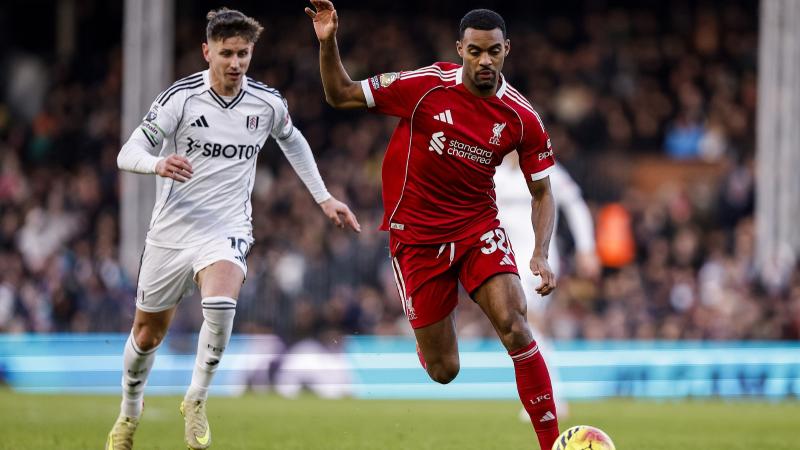
Explaining performance differences in competition
The user is asking why some people perform better in competition than training, which touches on psychology and sports performance. I’ll provide a concise explanation including factors like arousal, adrenaline, focus, and increasing stakes that heighten motivation. Other elements include feedback loops, environmental cues, and individual differences noted in the Yerkes-Dodson law. Moreover, I'll mention tactics such as tapering and carb loading, acknowledging that training often leads to fatigue while competition brings out a fresh state.Understanding performance in competition
In training, there's often no pressure, while competition introduces psychological pressure that can either enhance or hinder performance. Some individuals excel under pressure, known as being "clutch." Here’s what contributes to this difference:
- Key Reasons: Physiological factors, psychological states, environmental influences, and strategic approaches.
- Caveats: Sustainability of performance enhancement depends on individual capacity and situation.
- Training Tips: Simulate competition during practice, establish a pre-performance routine, regulate arousal levels through breathing, use positive self-talk, visualize success, and incorporate warm-up and tapering strategies.
Let’s keep this concise!Physiological Factors
- Adrenaline and norepinephrine effects
- Increased pain threshold
- Nervous excitability enhancement
- Greater explosiveness
Psychological Aspects
- Challenge vs threat appraisal
- Attention focus narrowing
- Clear goal setting
- Competition drive and audience influence
Environmental & Strategic Elements
- Rivalry dynamics
- Referee pace
- Optimal venue and equipment
- Tactical cues and coaching
Caveats
- Over-arousal can cause choking
- Insufficient or excessive training intensity creates performance differences
Training Suggestions
- Simulate competition in training
- Establish pre-performance routines
- Incorporate stress exposure practice
- Ensure proper taper and recovery
- Utilize psychological skills techniques
原因通常是多因素叠加,常见的有:
- 生理唤醒更合适:比赛时肾上腺素提高,痛阈、反应速度和动员能力上升;对一些人恰好落在“最佳唤醒区”(耶克斯-多德森规律)。
- 动机与注意力:明确的胜负、观众和对手让目标更清晰,注意力收敛,少了“走神”和自我监控的干扰,更容易进到“状态/心流”。
- 外部牵引与反馈:强对手当作“节拍器”,更容易逼到极限;现场节奏、教练呼叫、裁判节拍和观众噪声提供即时线索。
- 训练疲劳 vs 比赛峰值:日常训练常带着累(积累训练量、不过度出力防伤),而比赛前会减量、补糖、睡眠更好,因此更“新鲜”。
- 技战术情境:真实对抗激活更完整的知觉-决策链条(空间、时间压力、对手动作),某些“比赛型”选手在实战里读秒更准。
- 统计与记忆偏差:训练很少全力计时或有完善记录,人更容易记住“赛场超常”的几次,忽略没发挥好的。
也有前提与风险:
- 唤醒过高会“卡壳”(choking),所以并非人人比赛更强;且这种提升不一定稳定。
- 若训练安排要么过轻(未触及极限),要么过重(长期疲劳),都会放大“赛-练差”。
想把这种优势可复制化,可尝试:
- 赛样化训练:固定计时/记分、录像、观众/队友围观、设置小赌注或名次奖励,让训练有“代价”。
- 唤醒调节与赛前例行:统一热身流程、呼吸/肌肉放松、个性化音乐;需要时少量咖啡因(量化剂量和时间)。
- 压力暴露训练:先升心率(冲刺/波比)再做关键技术,练在高唤醒下的稳定度。
- 周期化与减量:重要比赛前2–3周开始减量,让体能超量恢复在赛日兑现。
- 数据化对比:区分“能力”与“状态”——用同等疲劳条件下的训练成绩对照赛绩,校准预期。
- 认知框架:把比赛解读为“挑战”非“威胁”;设计一两句切换注意的口令和自我对话。
如果你方便说下项目/位置和典型赛前状态,我可以给更具体的唤醒目标、热身和赛前例行清单。